

Premium Soy-Free Whey Protein
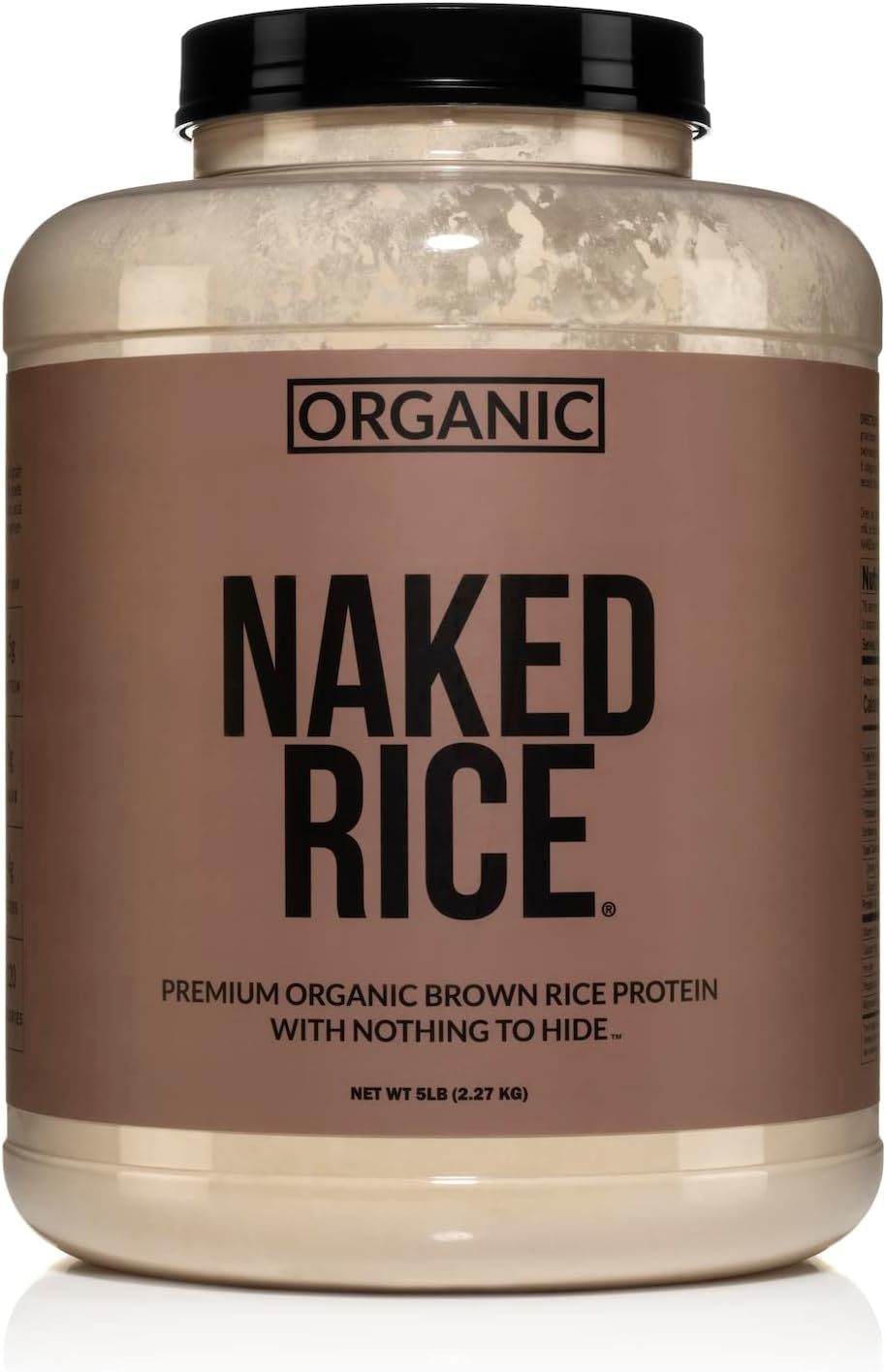
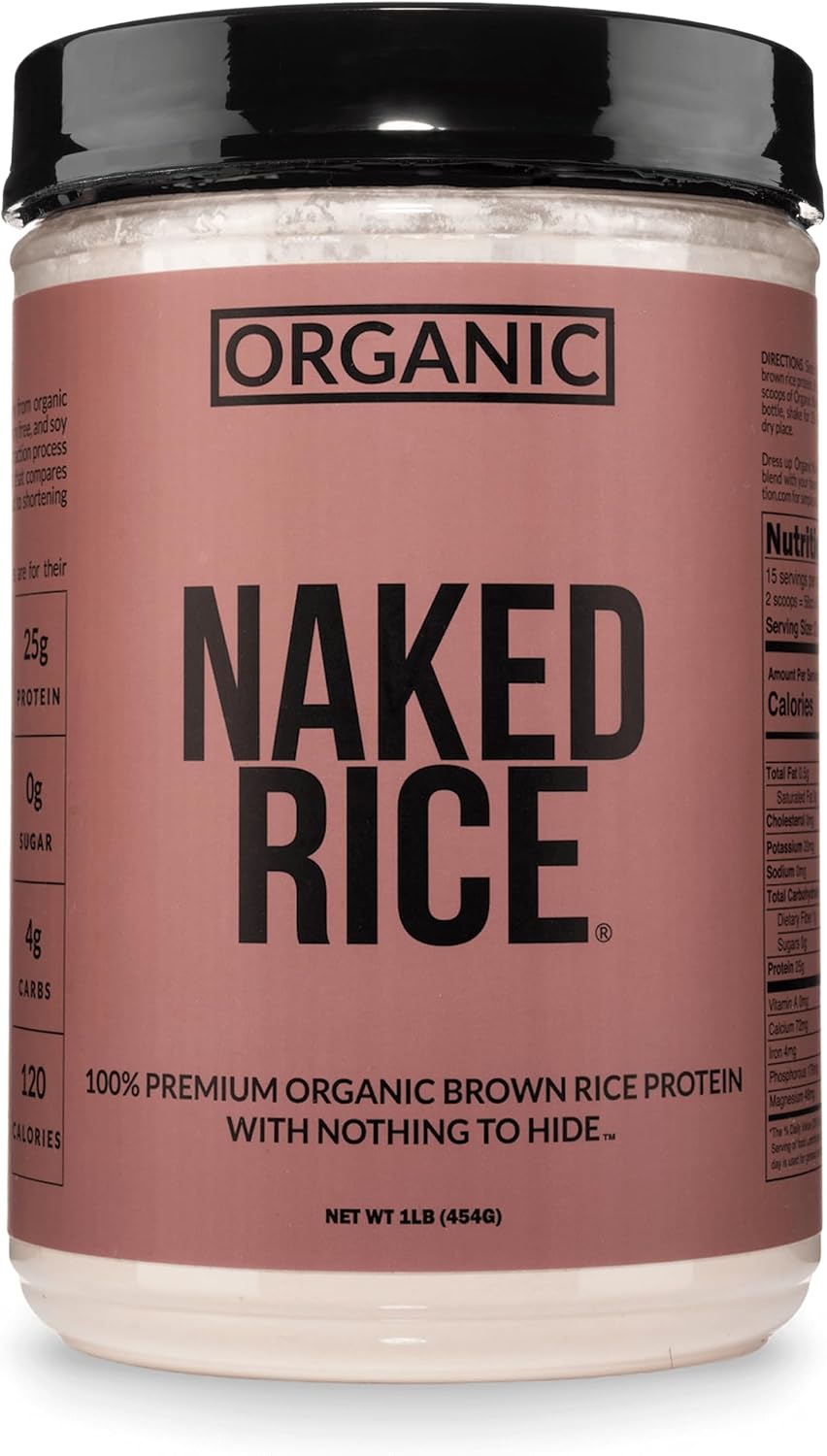
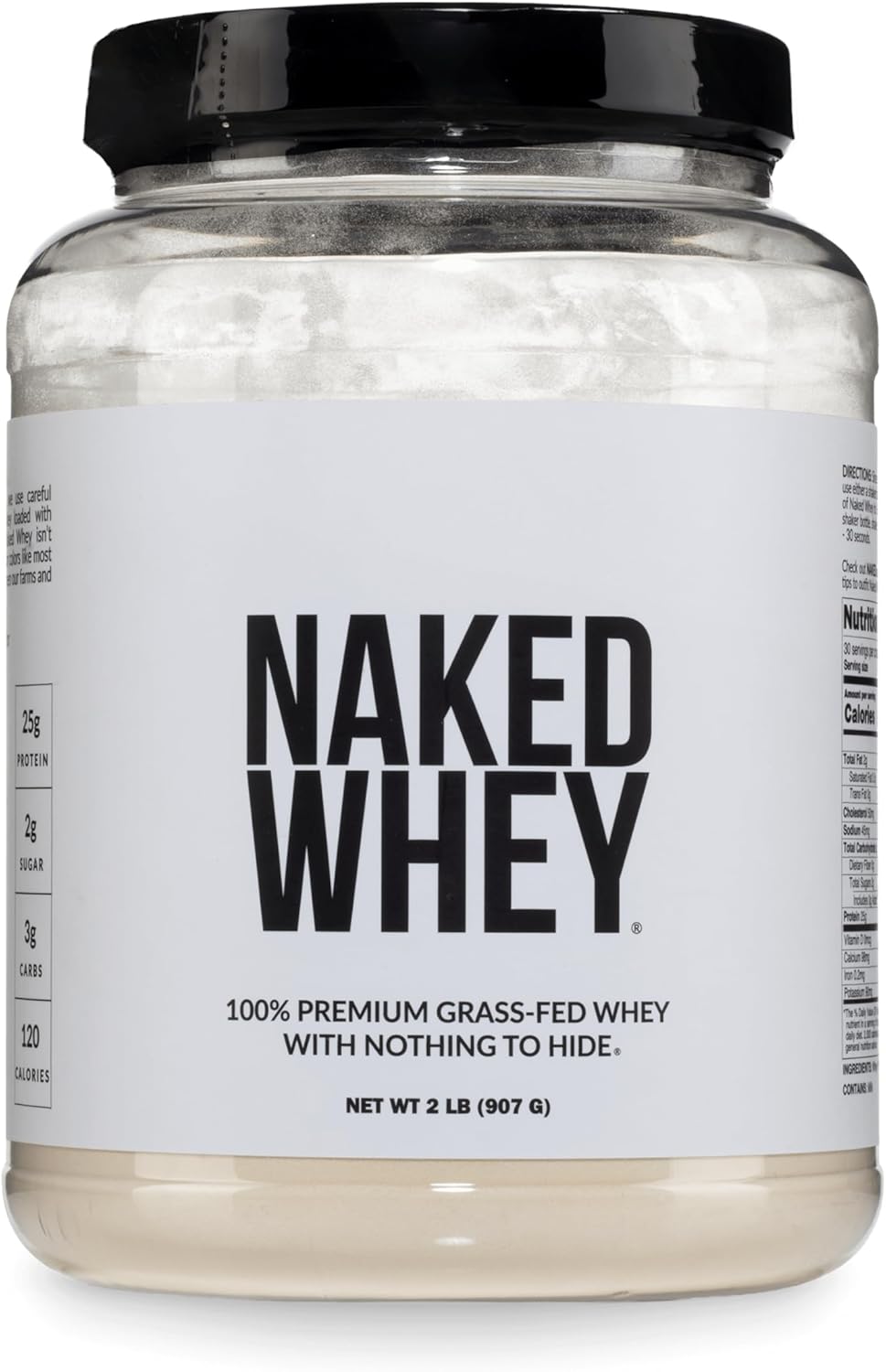
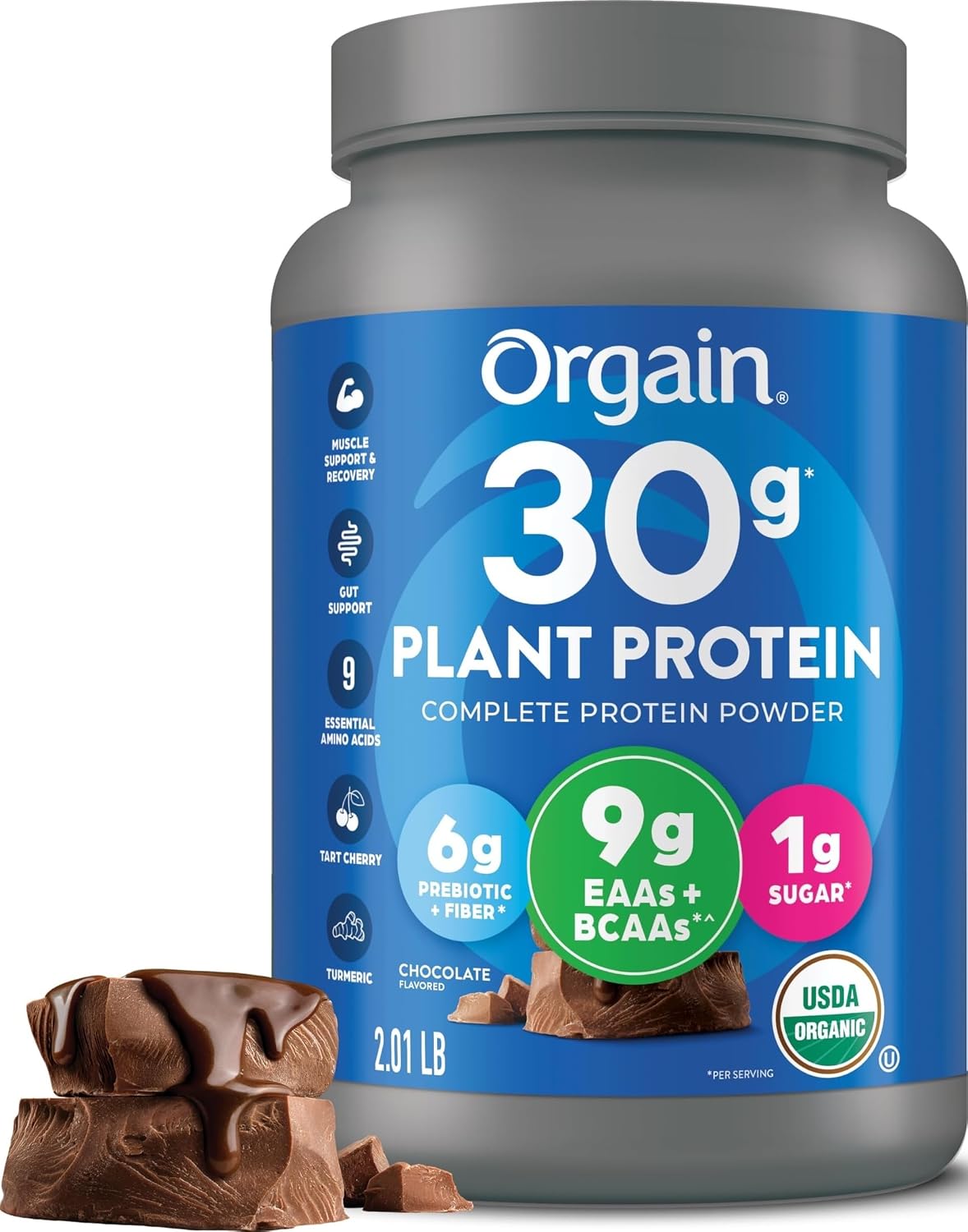
Experience the highest quality soy-free whey protein formulated for maximum purity and performance. These premium supplements utilize sunflower lecithin instead of soy for optimal mixability without allergen concerns. Our curated selection features products from manufacturers committed to rigorous allergen-control protocols and transparent ingredient sourcing.









Frequently Asked Questions
Why is soy commonly found in whey protein products?
Soy appears in whey protein primarily through the use of soy lecithin, an emulsifier that significantly improves the powder's mixability and texture. Without an emulsifier, whey protein tends to clump and resist dispersion in liquids, creating an unpleasant user experience with floating protein clumps. Soy lecithin is particularly effective at creating a uniform mixture by helping hydrophobic (water-repelling) and hydrophilic (water-attracting) components blend together smoothly. It's widely used because it's cost-effective, readily available, and highly functional even in small amounts (typically less than 1% of the formula). Beyond lecithin, some protein products may contain actual soy protein in blended formulations, though this would not be labeled as pure whey protein. Additionally, flavoring systems or other additives occasionally contain soy derivatives as carriers or processing aids. For individuals with soy allergies or those avoiding soy for other reasons, the good news is that alternative emulsifiers like sunflower lecithin can provide similar functionality without the need for soy components.
Does soy-free whey protein mix differently than whey with soy lecithin?
Whey protein that uses alternative emulsifiers like sunflower lecithin typically offers comparable mixability to products using soy lecithin, with most consumers unable to detect any significant difference in dissolution or texture. Both lecithins function similarly as emulsifiers, helping the protein powder disperse quickly in liquid and preventing clumping. However, whey protein that contains no emulsifier at all (neither soy nor sunflower lecithin) may indeed demonstrate inferior mixing properties, potentially requiring more vigorous shaking, a blender bottle with mixing ball, or an electric blender to achieve a smooth consistency. Such products might leave more residue on shaker walls or form more persistent clumps. The difference becomes more noticeable when mixing with cold liquids or when attempting quick mixing by hand. For consumers who prioritize soy-free formulations but still want convenience, products using sunflower lecithin offer the best compromise, providing excellent mixability without soy exposure. Always check the ingredient list carefully, as some products marketed as "soy-free" may simply contain no added soy protein but still use soy lecithin.
Will switching to soy-free whey protein lower my estrogen levels?
The concern about soy and estrogen stems from isoflavones (phytoestrogens) found in whole soy foods like tofu and soy milk. However, soy lecithin—the primary soy component in most whey proteins—contains negligible amounts of these isoflavones due to the extraction process it undergoes. Scientific evidence does not support the notion that the trace amounts of soy from lecithin in typical whey protein products meaningfully impact hormone levels in humans of any gender. Furthermore, numerous clinical studies on moderate soy food consumption have not demonstrated significant effects on testosterone or estrogen levels in men. The decision to choose soy-free whey protein is valid for individuals with genuine soy allergies or those following specific dietary protocols that exclude all soy derivatives regardless of quantity. However, those switching to soy-free products specifically out of concern for hormonal effects are unlikely to experience measurable differences in their endocrine profiles. The primary benefit of soy-free whey protein is its suitability for individuals with actual soy allergies or sensitivities who might otherwise experience adverse reactions.
New to whey? Read our beginner's guide
Read our beginner's guide to learn everything you need to know about whey protein.
For people with soy allergies, is "soy lecithin-free" sufficient or should I look for "soy-free"?
For individuals with soy allergies, the distinction between "soy lecithin-free" and "soy-free" can be critically important. While soy lecithin is the most common soy-derived ingredient in whey protein (used as an emulsifier), it's not the only potential source of soy exposure. A product could technically be "soy lecithin-free" but still contain other soy derivatives in flavoring systems, stabilizers, or even intentional soy protein in a protein blend. For those with true soy allergies, especially severe ones, it's safer to specifically seek products labeled "soy-free" or "free from soy ingredients," which indicates a comprehensive absence of all soy-derived components. Additionally, check for allergen statements like "Contains: Milk" that don't mention soy, and look for products manufactured in facilities that don't process soy ingredients to minimize cross-contamination risk. When in doubt, directly contacting manufacturers for clarification about their specific allergen protocols regarding soy is the most prudent approach for those with severe allergies.
What are the advantages of sunflower lecithin compared to soy lecithin in whey protein?
Sunflower lecithin offers several advantages over soy lecithin in whey protein formulations, though their emulsifying functionality is comparable. The primary benefit is allergen safety—sunflower lecithin eliminates exposure risk for the millions of individuals with soy allergies or sensitivities. Unlike soy, sunflower seeds rarely cause allergic reactions. From a processing perspective, sunflower lecithin is typically extracted using a chemical-free cold press method, while soy lecithin often undergoes chemical solvent extraction, appealing to consumers seeking less processed ingredients. Sunflower lecithin is also naturally non-GMO, whereas most soy lecithin derives from genetically modified soybeans unless specifically certified otherwise. Some consumers report that sunflower lecithin imparts a slightly milder taste than soy lecithin, potentially allowing the protein's natural flavor to come through more clearly. While these advantages make sunflower lecithin increasingly popular, it does typically cost manufacturers more than soy lecithin, which may be reflected in the product's price. For most consumers without soy concerns, the practical difference between the two emulsifiers is minimal, but for those with allergies or specific dietary preferences, sunflower lecithin represents a valuable alternative.
What testing methods do premium manufacturers use to verify their whey protein is truly soy-free?
Premium manufacturers employ comprehensive testing protocols to verify their whey protein products are genuinely soy-free. The gold standard is enzyme-linked immunosorbent assay (ELISA) testing, which can detect soy proteins at extremely low concentrations—typically down to 2.5 parts per million (ppm). Leading companies implement multi-stage verification beginning with ingredient pre-screening, requiring certificates of analysis and supplier documentation confirming soy absence for all raw materials. During production, they conduct environmental testing to verify manufacturing surfaces are free from soy residue after cleaning procedures. Finished product testing using validated ELISA methods provides final verification, often with documented detection limits. Some manufacturers supplement protein tests with DNA-based polymerase chain reaction (PCR) testing that can identify soy genetic material even when protein is degraded. The most thorough programs utilize third-party, ISO 17025-accredited laboratories for unbiased verification rather than relying solely on in-house testing. Premium brands typically maintain complete batch-specific documentation of these testing protocols, making test results available to consumers upon request—particularly valuable for individuals with severe soy allergies who require maximum assurance.
How do premium soy-free whey proteins ensure zero cross-contamination during manufacturing?
Premium soy-free whey protein manufacturers implement multi-layered control systems to prevent cross-contamination. The gold standard is dedicated soy-free manufacturing facilities that never process soy ingredients in any form, eliminating the primary contamination risk entirely. When dedicated facilities aren't feasible, top manufacturers utilize physical separation with designated production areas, equipment, and utensils exclusively for soy-free products. Sophisticated production scheduling places soy-free runs immediately after complete facility sanitization, never following soy-containing products. Premium brands implement validated allergen cleaning protocols verified through protein-specific surface testing rather than visual inspection alone. Ingredient handling includes rigorous supplier qualification programs with documentation requirements proving soy absence throughout the supply chain. Air handling systems with proper filtration and pressure differentials prevent airborne particle migration between production areas. Staff training incorporates allergen awareness with specific procedures for uniform changes and handwashing when moving between production areas. The entire manufacturing process is documented through detailed batch records with critical control points specifically monitoring soy contamination risks. These comprehensive measures collectively create multiple barriers against potential soy protein introduction, ensuring truly soy-free products for sensitive individuals.