

Best Value Whey Protein Isolate
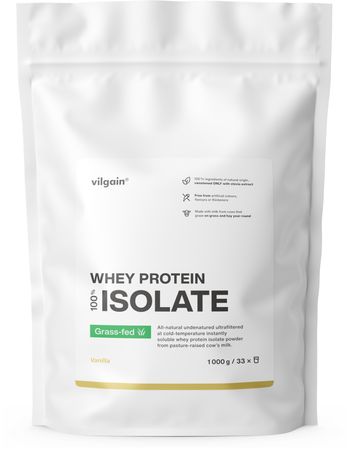
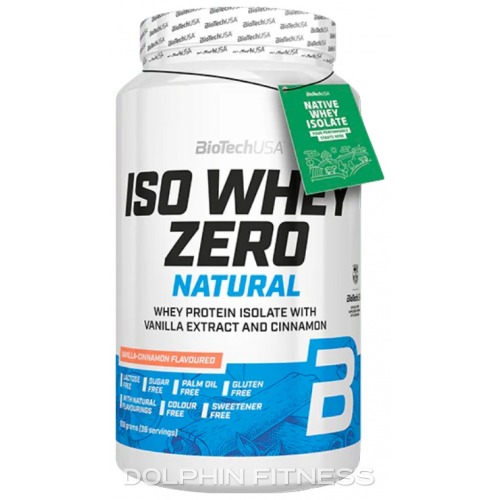
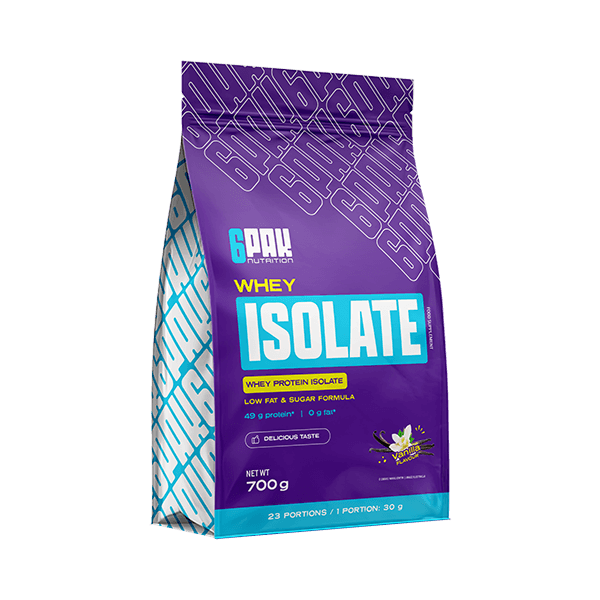
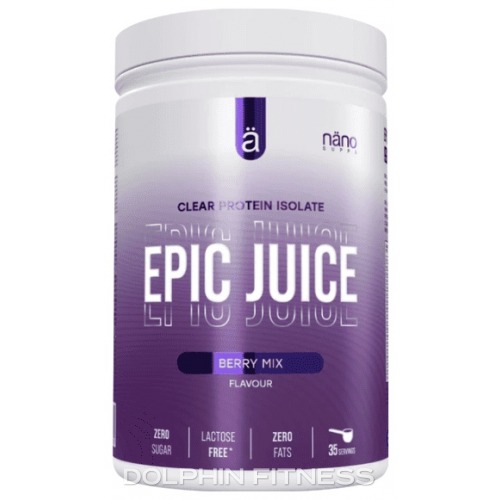
Discover the most cost-effective whey protein isolate supplements with 90-95% pure protein content and less than 1g lactose per serving. Our price-sorted comparison helps you find budget-friendly isolate powders that deliver fast-absorbing protein for rapid muscle recovery. Perfect for lactose-sensitive users seeking high-protein, low-carb nutrition without premium pricing.





Frequently Asked Questions
What makes whey protein isolate different from concentrate?
Whey protein isolate undergoes additional processing beyond concentrate, resulting in a purer protein product. While whey concentrate typically contains 70-80% protein by weight, isolate contains 90-95% protein. This extra filtration removes most of the lactose, fat, and carbohydrates, making isolate virtually lactose-free with less than 1 gram per serving. The higher protein concentration means you get more protein per scoop with fewer calories from fats and carbs. Isolate also absorbs faster than concentrate due to its refined structure, making it ideal for post-workout consumption when rapid amino acid delivery is desired. However, this additional processing removes some beneficial compounds like immunoglobulins and lactoferrin that are naturally present in concentrate, making concentrate potentially better for immune support despite having lower protein concentration.
Is whey protein isolate safe for people with lactose intolerance?
Whey protein isolate is generally safe for most people with lactose intolerance because the extensive filtering process removes nearly all lactose, typically reducing it to less than 1 gram per serving. Many individuals with mild to moderate lactose intolerance can tolerate this minimal amount without digestive issues. However, sensitivity levels vary significantly between individuals, and those with severe lactose intolerance may still experience symptoms. If you're highly sensitive, start with a small serving to test your tolerance, or look for isolate products that specifically state they contain less than 0.1 grams of lactose per serving. Some manufacturers also add lactase enzyme to their isolate formulations to further aid digestion. For complete certainty, consult with your healthcare provider before introducing any dairy-derived protein supplement into your diet.
Does whey isolate build muscle faster than other protein types?
Whey protein isolate doesn't necessarily build muscle "faster" than other high-quality complete proteins, but it does offer some advantages for muscle protein synthesis. Its rapid absorption rate means amino acids reach muscle tissue quickly after consumption, which can be beneficial immediately post-workout when muscles are primed for recovery. The high concentration of leucine in whey isolate particularly supports muscle protein synthesis initiation. However, total daily protein intake and consistent resistance training remain the most important factors for muscle growth. Other proteins like casein may actually provide superior muscle-building benefits over longer periods due to their sustained amino acid release. The key advantage of isolate is its convenience and speed of absorption, making it an excellent choice for post-workout nutrition, but it should be part of a varied protein intake throughout the day rather than relied upon exclusively for muscle building.
New to whey? Read our beginner's guide
Read our beginner's guide to learn everything you need to know about whey protein.
How much protein per serving should I expect from quality whey isolate?
Quality whey protein isolate should provide 24-28 grams of protein per 30-32 gram serving, representing the 90-95% protein concentration that defines true isolate. Products containing less than 22 grams of protein per serving may be mislabeled concentrates or inferior isolates with excessive fillers. Premium isolate products often provide 25-28 grams per serving with minimal carbohydrates (under 2 grams) and fats (under 1 gram). The amino acid profile should include approximately 2.5-3 grams of leucine per serving, which is crucial for muscle protein synthesis. When comparing products, calculate the actual protein percentage by dividing protein grams by total serving size - quality isolates should exceed 85% protein by weight. Be wary of products that seem unusually cheap, as they may contain less actual protein than advertised or use inferior processing methods that compromise quality.
What's the best time to take whey protein isolate for maximum benefits?
The optimal timing for whey protein isolate depends on your fitness goals, but the post-workout window offers the greatest advantage due to isolate's rapid absorption. Consuming 25-30 grams within 30-60 minutes after resistance training can maximize muscle protein synthesis when muscles are most receptive to amino acids. However, research shows that total daily protein intake matters more than precise timing for overall muscle growth. Isolate can also be beneficial first thing in the morning to break the overnight fast and provide quick amino acids after the body's natural catabolic state during sleep. Some people use isolate between meals to maintain amino acid levels without the slower digestion of whole foods. For weight management, isolate can serve as a low-calorie, high-protein snack that promotes satiety. The key is consistency - regular protein intake throughout the day supports better muscle protein balance than relying solely on post-workout timing.