

Best Value Whey Protein Concentrate
Discover the most cost-effective whey protein concentrate supplements offering 70-80% protein content with retained beneficial nutrients. Our price-sorted comparison highlights affordable brands that preserve immunoglobulins, lactoferrin, and natural milk compounds. Enjoy rich flavor profiles and complete nutrition at budget-friendly prices for optimal muscle recovery.



Frequently Asked Questions
What makes whey protein concentrate different from isolate?
Whey protein concentrate contains 70-80% protein by weight, while retaining more of the beneficial compounds naturally found in milk compared to isolate. The additional processing required for isolate removes most fat, lactose, and bioactive nutrients like immunoglobulins and lactoferrin that remain in concentrate. This means concentrate provides a more complete nutritional profile with naturally occurring milk minerals, growth factors, and immune-supporting compounds. Concentrate also typically offers superior taste due to retained lactose and milk fats that enhance flavor and texture. While isolate offers higher protein percentage per serving, concentrate delivers better overall nutritional value and is generally more cost-effective, making it ideal for those seeking comprehensive nutrition rather than maximum protein concentration alone.
Is whey protein concentrate suitable for people with lactose intolerance?
Whey protein concentrate contains moderate levels of lactose, typically 3-4 grams per serving, which may cause digestive issues for individuals with lactose intolerance. However, many people with mild lactose sensitivity can tolerate these amounts, especially when consumed with other foods or gradually introduced into the diet. The lactose content varies between brands and processing methods, with some higher-quality concentrates containing less lactose due to improved filtration techniques. Those with severe lactose intolerance should consider whey isolate or lactose-free alternatives, while those with mild sensitivity might start with smaller servings to assess tolerance. Some manufacturers also add lactase enzyme to their concentrate formulations to aid digestion. Consulting with a healthcare provider is recommended for individuals with diagnosed lactose intolerance before introducing any dairy-based protein supplement.
Why does whey protein concentrate often taste better than isolate?
Whey protein concentrate typically offers superior taste compared to isolate due to its retained natural milk components. The presence of lactose provides subtle sweetness, while small amounts of milk fats contribute to a richer, creamier mouthfeel that many consumers prefer. These naturally occurring compounds create a more complex flavor profile that closely resembles the taste of fresh dairy products. Additionally, the bioactive compounds retained in concentrate, such as immunoglobulins and lactoferrin, contribute to the overall sensory experience without creating off-flavors. In contrast, the extensive processing required to create isolate strips away many of these flavor-enhancing components, sometimes resulting in a more neutral but potentially less appealing taste. This is why many protein manufacturers use concentrate as their base when creating flavored products, as it provides a better foundation for taste development than the more processed isolate forms.
New to whey? Read our beginner's guide
Read our beginner's guide to learn everything you need to know about whey protein.
What beneficial nutrients are preserved in whey protein concentrate?
Whey protein concentrate retains numerous beneficial bioactive compounds that are reduced or eliminated during the more intensive processing required for isolate production. These include immunoglobulins (IgG, IgA, IgM) that support immune function, lactoferrin which has antimicrobial and iron-binding properties, and alpha-lactalbumin which provides tryptophan for serotonin production. Concentrate also contains growth factors like IGF-1 and TGF-β that may support tissue repair and recovery. Additionally, it preserves naturally occurring minerals such as calcium, phosphorus, and potassium in their bioavailable forms. The glycomacropeptides present in concentrate have been associated with satiety and digestive health benefits. These compounds work synergistically to provide benefits beyond simple protein content, making concentrate a more complete nutritional supplement despite its lower protein percentage compared to isolate.
How much protein should I expect from quality whey protein concentrate?
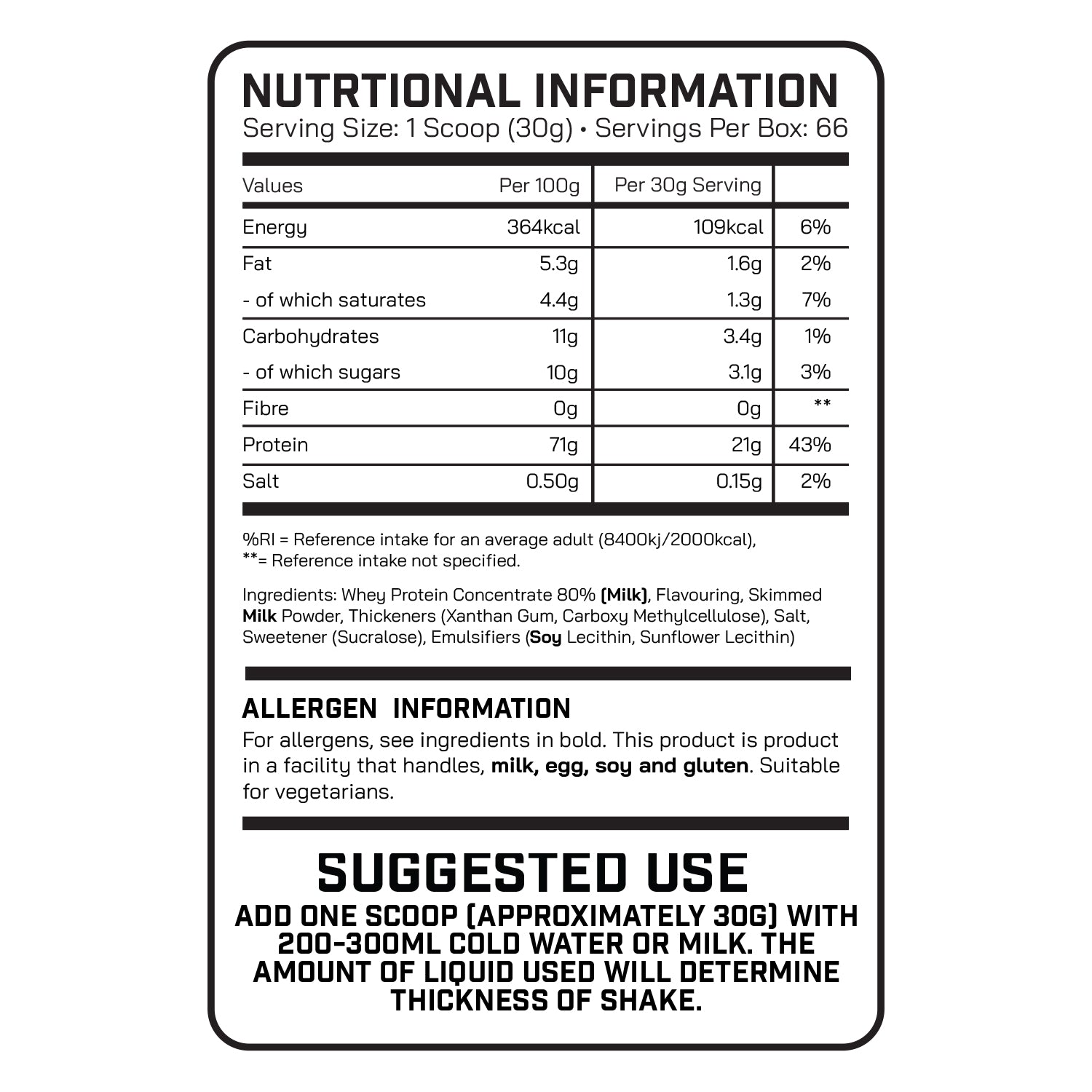
Quality whey protein concentrate should provide 18-24 grams of protein per 30-35 gram serving, representing the typical 70-80% protein concentration that defines this category. Products containing less than 70% protein by weight may be lower-grade concentrates or blended products. Premium concentrate products often provide 20-24 grams of protein per serving along with 3-5 grams of carbohydrates (primarily lactose) and 1-3 grams of fat. The amino acid profile should include approximately 2.0-2.5 grams of leucine per serving, which is crucial for muscle protein synthesis. When comparing products, examine the complete nutritional panel rather than just protein content, as concentrate's value lies in its comprehensive nutrient profile. High-quality concentrates will clearly state their protein percentage and provide detailed amino acid information, often including certificates of analysis that verify both protein content and the presence of beneficial bioactive compounds.