

Premium 100% Natural Whey Protein
Choose from our curated selection of premium 100% natural whey protein for the ultimate in clean, high-performance nutrition. These high-quality powders go beyond standard natural options by eliminating all artificial ingredients and relying solely on the purest natural components, often with enhanced sourcing and processing. Support your fitness with the best in clean-label, transparent whey protein supplements, meticulously crafted for purity, efficacy, and superior taste from natural sources.
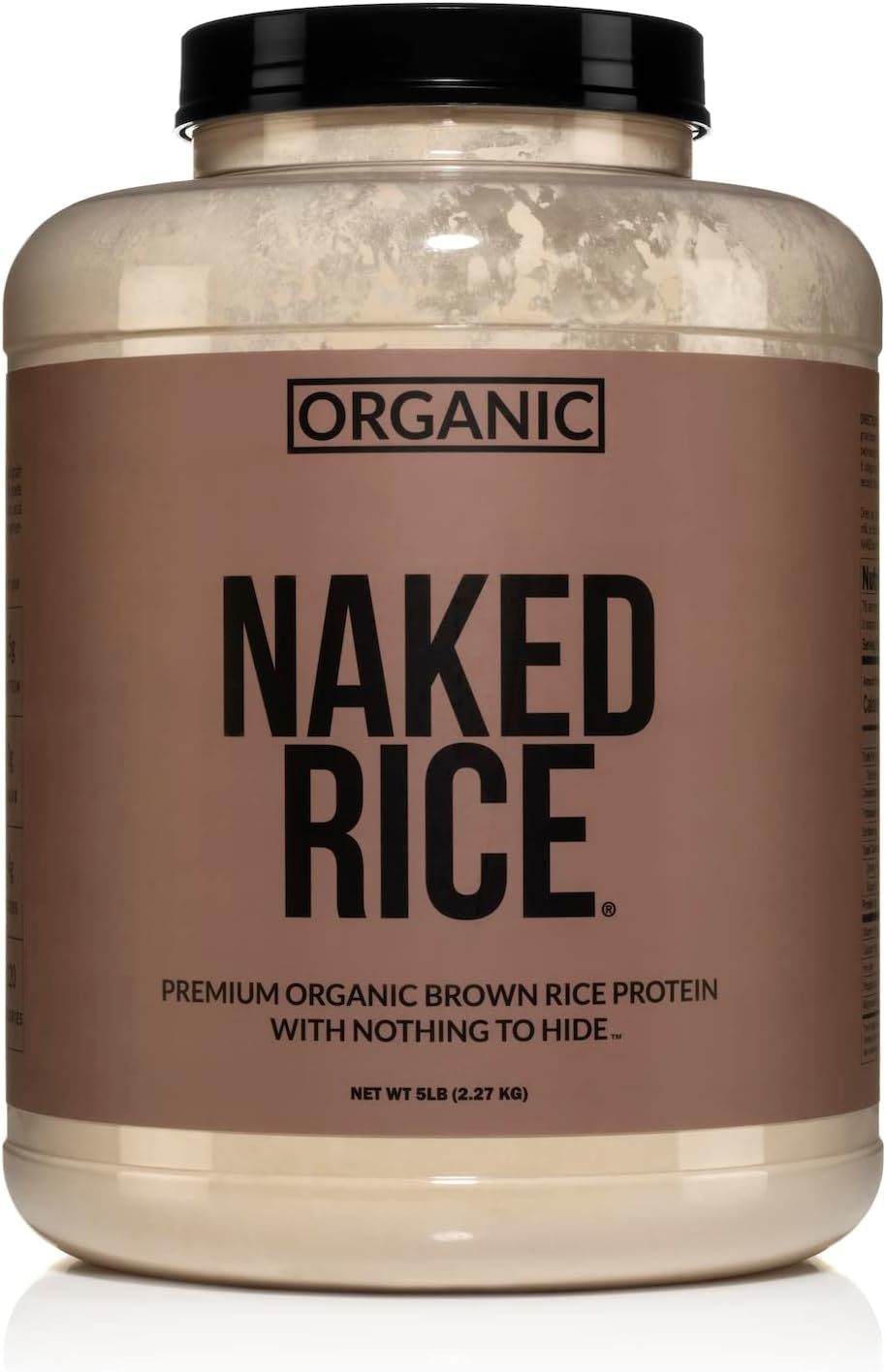


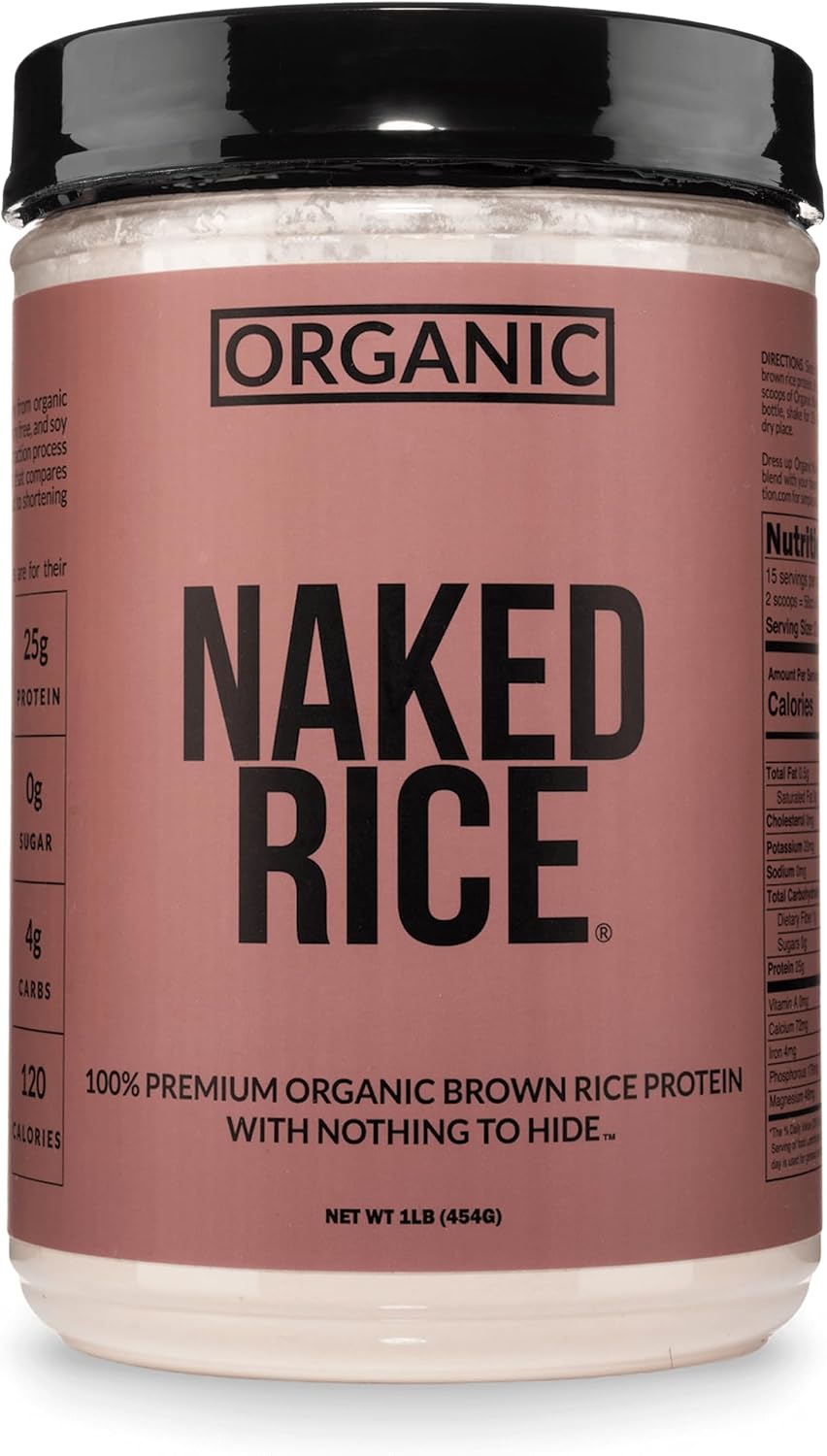


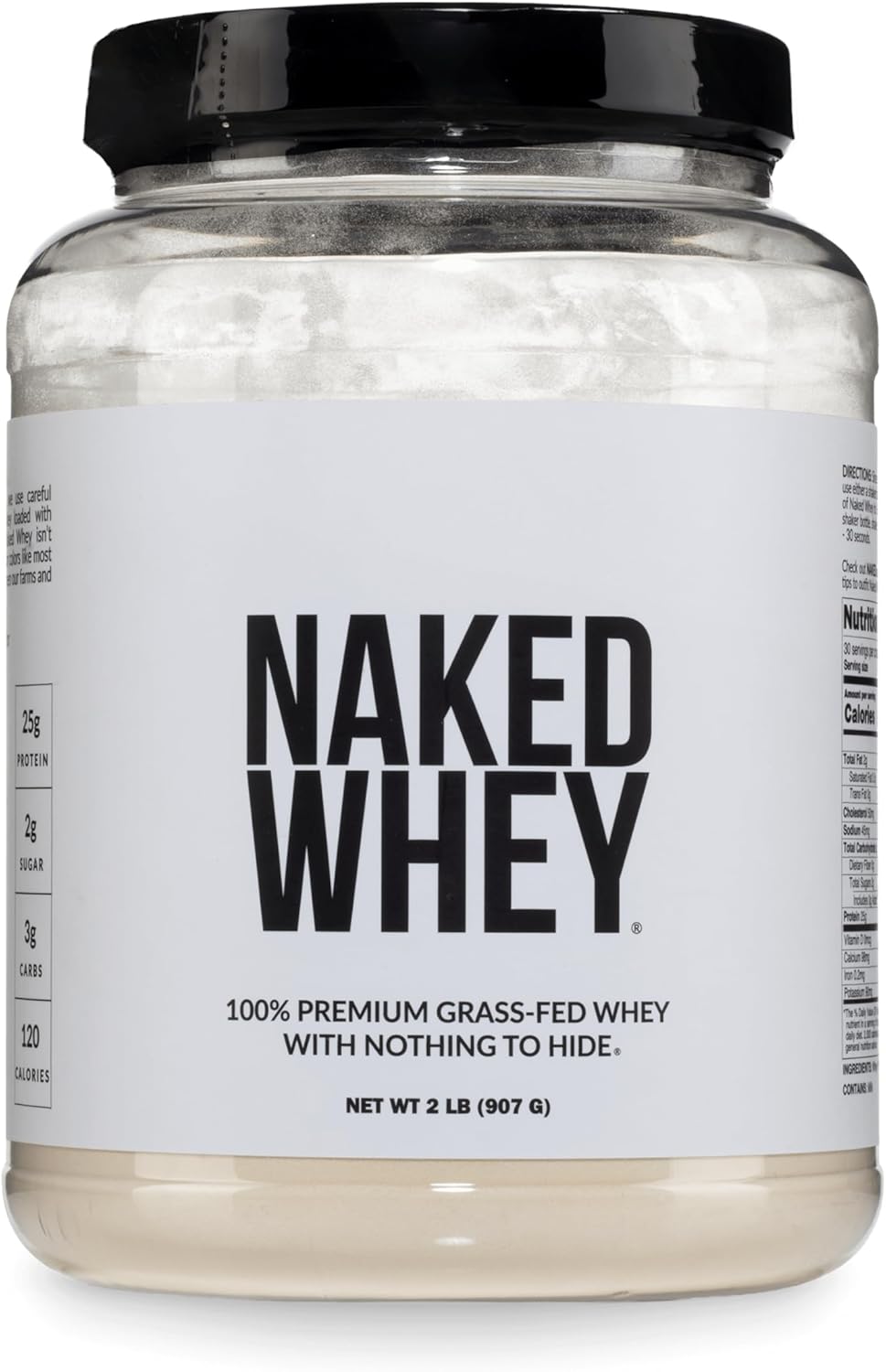

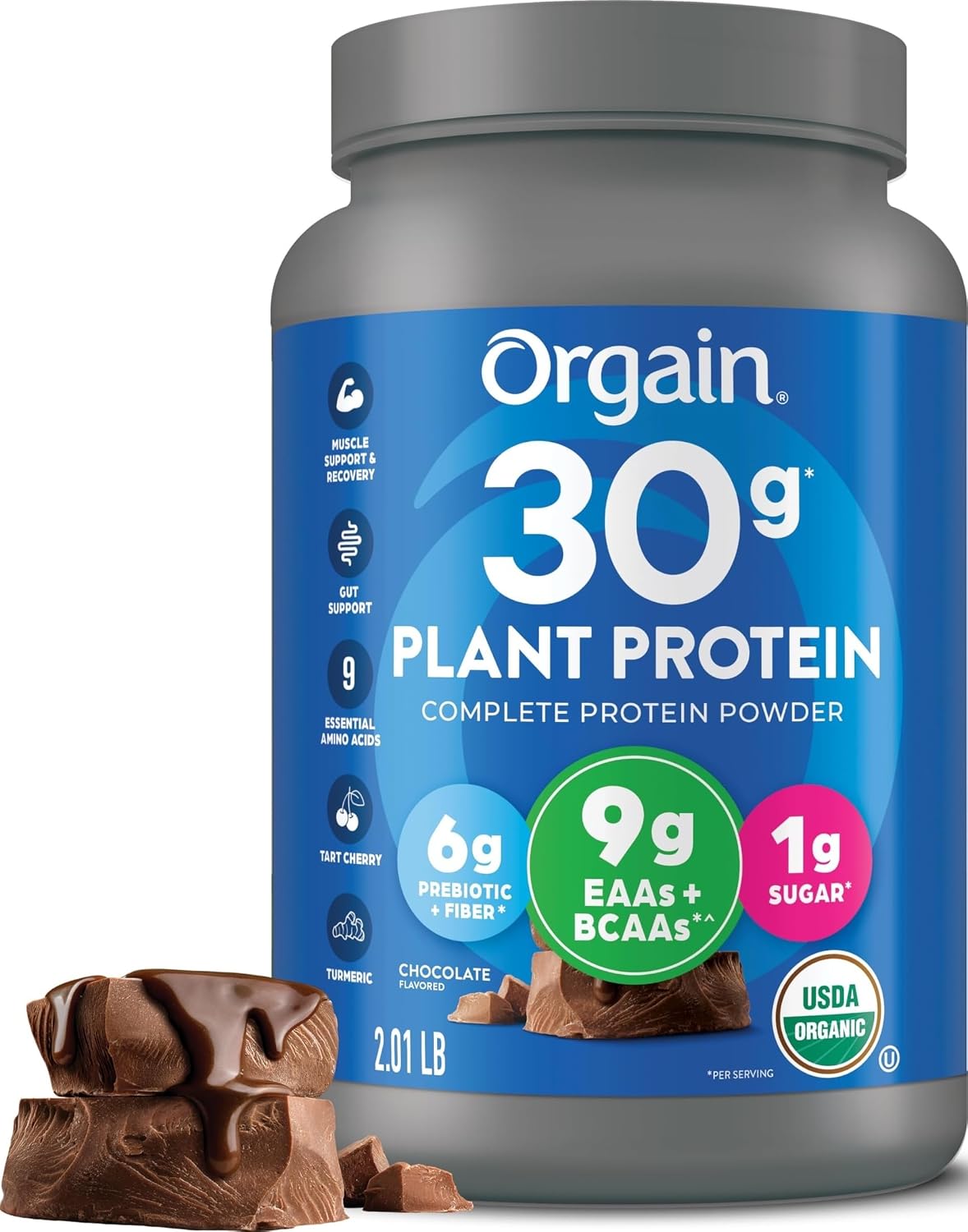




Frequently Asked Questions
What fundamentally distinguishes a 'premium' no-artificial-ingredients whey from a standard one?
A 'premium' no-artificial-ingredients whey protein typically elevates itself beyond standard natural options through superior sourcing, meticulous processing, and enhanced quality assurances. This can mean whey sourced from grass-fed, pasture-raised cattle, or milk from cows not treated with rBGH/rBST hormones. Processing often involves cold-filtration techniques like cross-flow microfiltration or ultrafiltration to better preserve the protein's native structure and beneficial microfractions, while also yielding higher purity. Premium brands are more likely to invest in third-party testing not just for protein content, but also for freedom from contaminants like heavy metals, pesticides, and antibiotics. Furthermore, the 'natural' flavorings and sweeteners used might be of higher quality or organic themselves, contributing to a cleaner taste and better overall product integrity. The commitment extends to every component, ensuring a truly clean and effective supplement.
Regarding U.S. regulations, how does a 'premium natural' claim differ from just 'natural'?
In the U.S., neither "natural" nor "premium natural" are strictly regulated terms with legally binding definitions in the way "organic" is. The FDA's general policy for "natural" implies no artificial or synthetic ingredients were added. A 'premium natural' claim is largely a marketing term used by brands to signify a higher quality standard within that natural parameter. This perceived premium quality might be based on factors like sourcing (e.g., grass-fed), processing methods (e.g., cold-filtered), purity (e.g., third-party tested for contaminants), or the quality of the natural ingredients themselves (e.g., organic natural flavors). However, because there isn't a specific legal standard for 'premium natural,' consumers should still critically evaluate the product's specifics—ingredient sourcing, processing details, and third-party certifications—to determine if it meets their personal criteria for a premium product, rather than relying on the term alone.
Can I expect better mixability from premium natural powders compared to standard natural ones?
Often, yes. While all natural powders might omit synthetic anti-clumping agents, premium natural whey proteins frequently use higher-quality whey sources (like isolates or advanced filtered concentrates) and finer milling processes, which can inherently improve solubility and reduce clumping. Some premium brands may also incorporate natural emulsifiers like sunflower lecithin in carefully considered amounts to enhance mixability without compromising the 'clean label' ethos. While you might still benefit from using a shaker bottle or blender for the smoothest consistency, premium natural options are generally formulated and processed with a focus on user experience, including easier mixing compared to more basic natural protein powders. The overall powder texture and particle size in premium versions are often optimized for better dispersion in liquids.
What kind of third-party testing or certifications should I look for in a premium natural whey?
When selecting a premium natural whey protein, look for reputable third-party certifications that validate its quality and purity claims. Certifications like 'NSF Certified for Sport' or 'Informed-Sport' test for banned substances, making them a good choice for athletes. 'Non-GMO Project Verified' ensures the product is free from genetically modified organisms. While less common for whey itself, an 'Organic' certification (e.g., USDA Organic) would indicate the milk source and other ingredients meet strict organic farming and processing standards. Beyond certifications, look for evidence of third-party lab testing for heavy metals (like lead, arsenic, cadmium, mercury), pesticides, and microbiological safety. Reputable premium brands often make these lab reports available on their websites or upon request, demonstrating transparency and commitment to product safety and quality above and beyond standard expectations for natural products.
Are premium natural whey proteins more suitable for sensitive stomachs than standard natural versions?
Premium natural whey proteins can often be more suitable for individuals with sensitive stomachs. This is typically due to the use of higher purity whey protein, such as whey protein isolate, which contains very low levels of lactose and fat—common culprits for digestive distress. The advanced filtration methods used in premium products also help remove other potential irritants. Furthermore, premium natural brands tend to avoid even some natural ingredients that can cause issues for some, like certain sugar alcohols in high amounts or inulin, focusing on gentle, easily digestible formulations. The overall 'cleaner' profile with fewer ingredients and the absence of artificial additives (which can sometimes cause sensitivities) contributes to better digestibility. However, individual tolerances vary, so if you have a particularly sensitive stomach, starting with a small serving size is always a good approach, even with premium products.
New to whey? Read our beginner's guide
Read our beginner's guide to learn everything you need to know about whey protein.